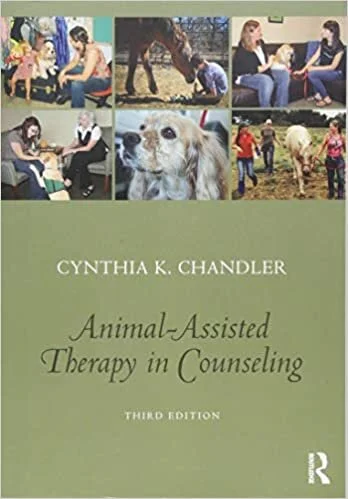
Llama-Assisted Therapy in Counseling
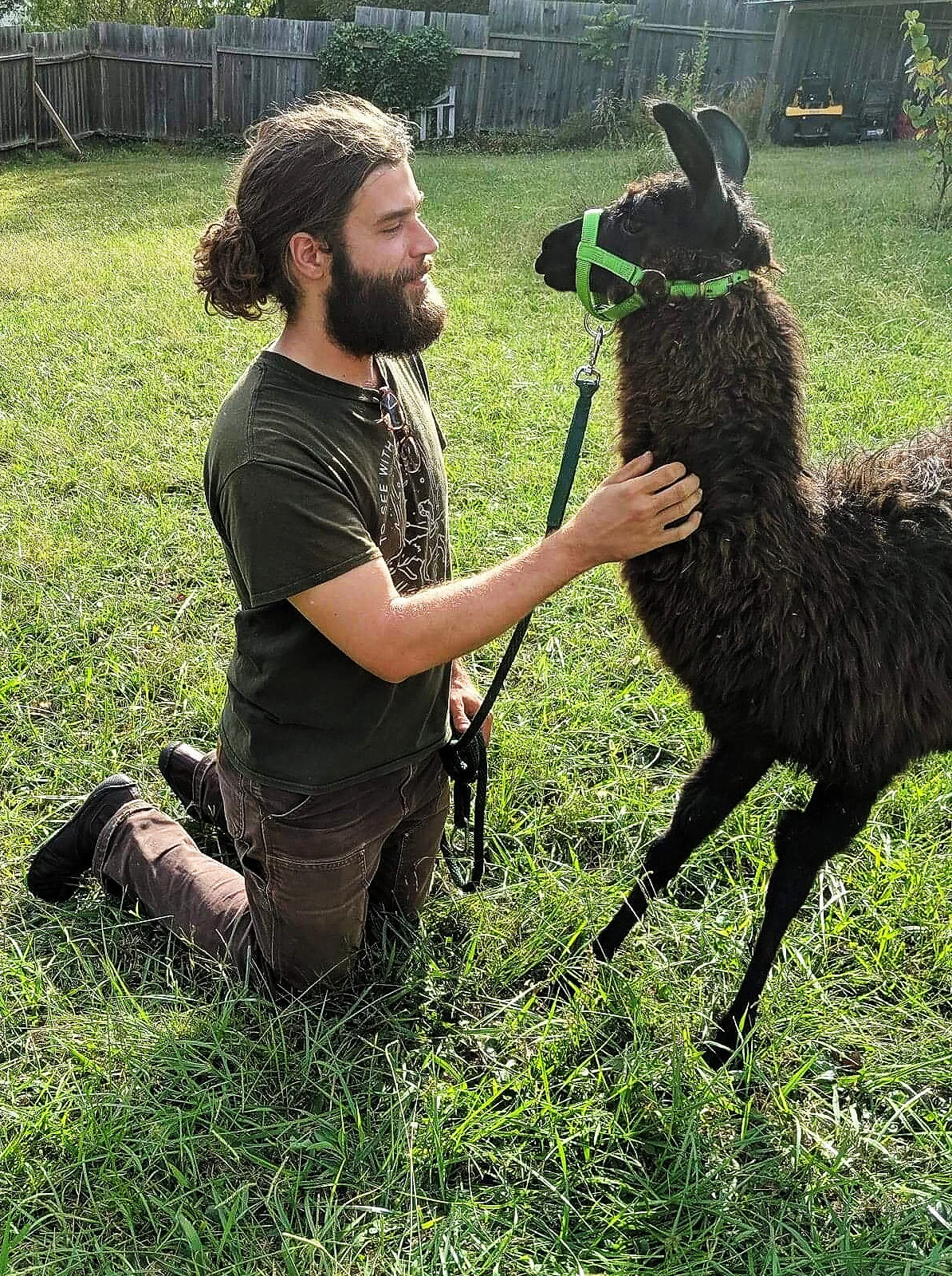
Llamas exhibit intelligence and curiosity while staying gentle-natured and calm, making them wonderfully appropriate for therapeutic interventions. Initially shy or aloof, they develop steady and protective relationships with individuals they come to trust. They communicate honestly and directly without judgment. Working with the llamas encourages our empathetic and nurturing traits, and their soft fiber welcomes the opportunity for safe touch. As a licensed counselor, I find working with llamas aids tremendously in the therapeutic process.
Common Animal Assisted Therapy (AAT) goals and techniques:
- A llama’s presence in therapy may improve session attendance and presence, and contribute to deeper counselor-client rapport and trust.
- Petting a llama may provide emotional support while attending to grief, loss, or other stressful discussions.
- Caring for and grooming a llama teaches cognitive self-care skills and develops improved self-image alongside empathy.
- The roles llamas play in their herd model cooperation and interpersonal skills for clients, and also represent archetypes for individual parts (IFS) work.
- Experiential learning and the demonstration of knowledge about llamas improves memory recall as well as self-confidence.
- Learning and exhibiting appropriate training skills engages concentration and attention while developing planning and problem-solving abilities.
- The human-animal bond acts as a window into the other-than-human world inviting heightened self-awareness, deep nature connection, and belonging.
Animal Assisted Therapy (AAT) is a goal-directed intervention in which an animal that meets specific criteria is an integral part of the treatment process. AAT is delivered and/or directed by a health/human service professional who has specialist expertise, and within the scope of practice of his/her profession. AAT is designed to promote improvement in human physical, social, emotional, and/or cognitive functioning. AAT is provided in a variety of settings and may be group or individual in nature. This process is documented and evaluated.
(From Standards of Practice for Animal Assisted Activities and Therapy in Maggio & Brady, 2006)
As a licensed therapist, I use animal assisted therapy as part of an integrative counseling approach that is person-centered, relational, and experiential.
Please visit davidwynn.eco or contact david@hotspringsllamas.org for further information.